
If your skin starts feeling itchy, tight, prickly, or unusually sensitive as the weather turns cold, you’re definitely not alone. Lots of people describe their skin as feeling “allergic to winter”.
The good news? What you’re feeling isn’t usually an actual allergy. It’s your skin’s natural response to dry, cold air and the extra stress that winter places on your skin barrier. To mitigate these effects, winter skin barrier repair is essential.
Understanding how to implement winter skin barrier repair techniques can make a significant difference in your skin’s comfort during the cold months.
Once you understand what’s really happening beneath the surface, you can take simple, gentle steps to help your skin feel calm, comfortable, and nourished all season long.
Quick Answer: Is it a Winter Allergy?
Quick Summary: Fixing “Winter Skin Allergies” What feels like an allergy is often Transepidermal Water Loss (TEWL) caused by a weakened skin barrier. To soothe the “winter itch,” you should switch to a lipid-rich, cold-process cleanser like our Carrot Seed Bar and seal in moisture immediately with a natural facial oil.
Implementing winter skin barrier repair strategies can help restore moisture and protect your skin throughout the season.
Why Your Skin Feels So Different in Winter
Cold outdoor air holds far less moisture than warm air — and indoor heating makes things even drier. This process, known as Transepidermal Water Loss (TEWL), pulls hydration from your skin faster than your body can replace it.
As your skin loses moisture, it becomes less flexible and more prone to irritation. That’s when you may start noticing itching, tightness, stinging, or that prickly feeling — even if your skin usually behaves the rest of the year.
What’s Really Going On With Your Skin Barrier
Your skin barrier is your body’s frontline defense. It does two critical jobs:
- Keeps essential moisture in
- Keeps irritating substances out
But in winter, that barrier can weaken. And when it does, moisture escapes more easily — leaving your skin feeling dry, reactive, and vulnerable to things like soap, fragrance, and even clothing fibers.
This breakdown of the skin barrier is often what makes your skin feel “allergic” in winter, even though there’s no allergen involved.
Why Mature Skin Can Feel It More
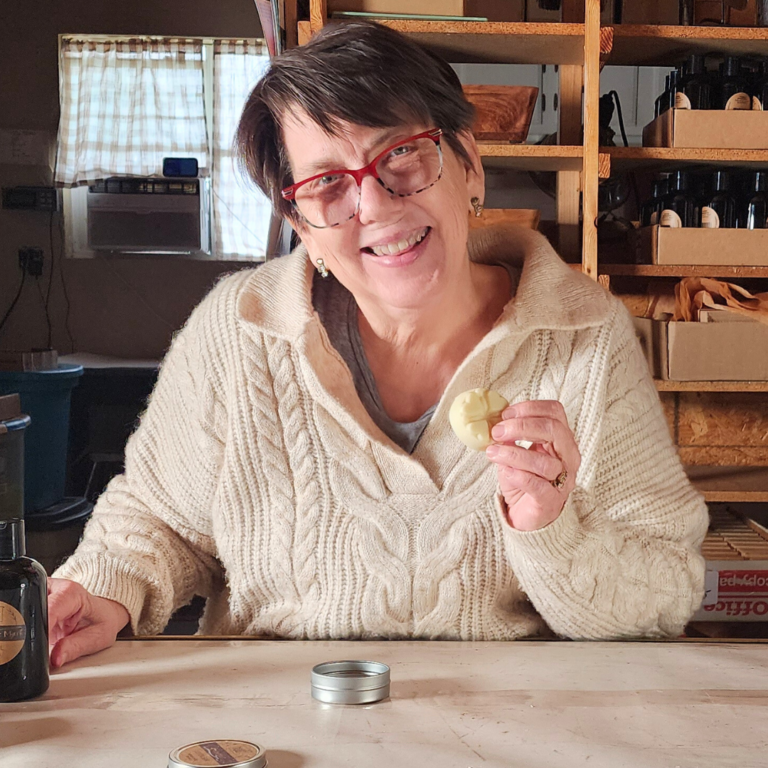
In my over 25 years of making soap, I’ve seen that mature skin doesn’t need ‘anti-aging’ chemicals—it needs lipid replenishment. Our skin produces less sebum as we age, which is why that winter itch feels so much more intense.
So if you have mature skin, you might feel the effects of winter more quickly and more intensely. What used to be mild dryness can now feel like persistent itching or discomfort — especially if the skin barrier isn’t getting the support it needs.
This isn’t your skin failing you — it’s a natural shift that just calls for a gentler, more supportive approach.
Could Your Skincare Routine Be Making It Worse?
In an effort to fight winter dryness, it’s easy to overdo it. Many people try to fix the issue by:
- Washing more often
- Switching to stronger cleansers
- Layering more products
But here’s the thing: More isn’t always better. Over-cleansing or using harsh ingredients can strip the skin barrier even further, making irritation worse.
In my 25 years of making soap, I’ve seen that mature skin doesn’t need ‘anti-aging’ chemicals—it needs lipid replenishment. Our skin produces less sebum as we age, which is why that winter itch feels so much more intense.
Instead, winter is the perfect time to simplify your skincare routine and focus on products that support your skin’s natural balance — not fight it.
What Actually Helps Winter Skin Feel Better
When it comes to winter skincare, my philosophy is “less is more.” You don’t need a complicated 10-step routine; you just need to stop fighting your skin and start supporting it. Supporting your skin barrier doesn’t have to be complicated—a few mindful changes can help your skin stay comfortable and happy, even on the coldest Texas days.
Here’s what makes a real difference:
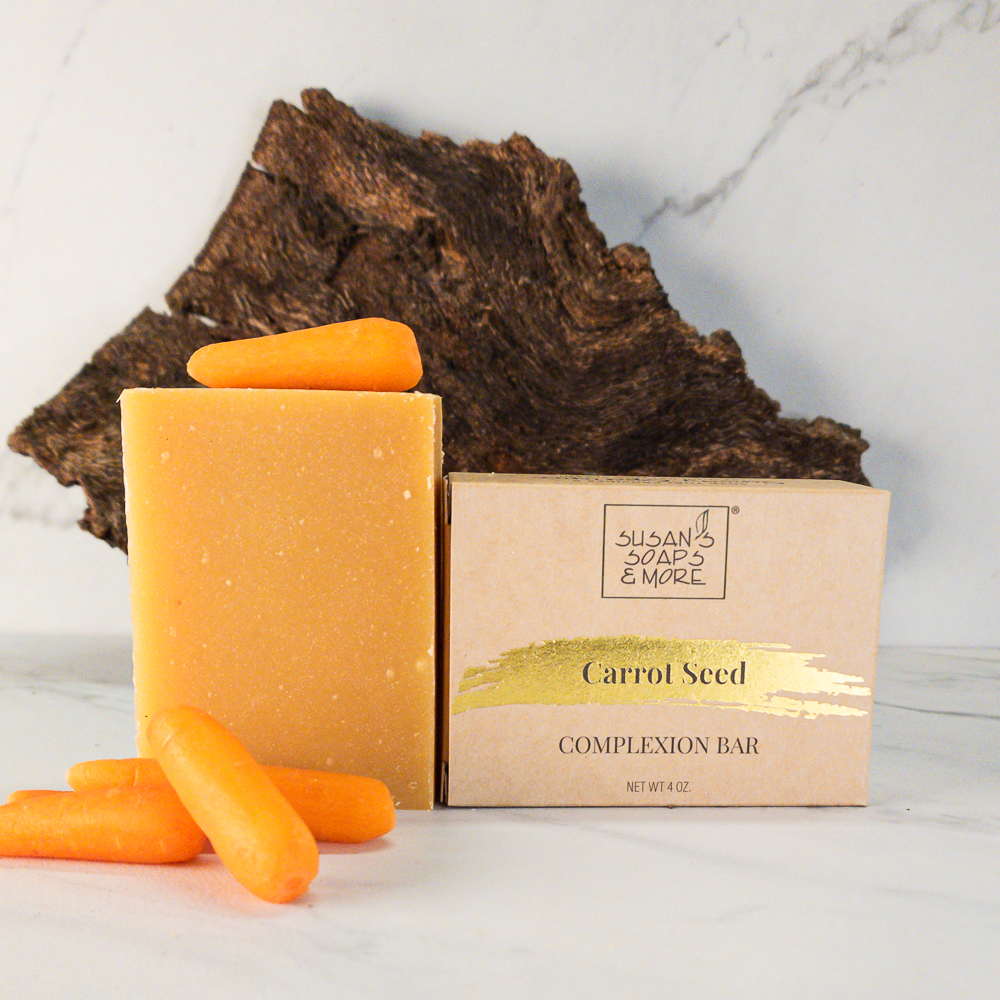
- Switch to a Lipid-Rich Cleanser: Most commercial soaps use harsh surfactants that strip away your skin’s natural oils. I recommend our Carrot Seed Complexion Bar. Because it’s made using the traditional cold-process method, it retains natural glycerin and skin-loving lipids that cleanse without disrupting your pH balance.
- Lock in Moisture Immediately: The best time to hydrate is within three minutes of washing. While your skin is still damp, apply a nutrient-dense oil like our Body Oil. This creates an occlusive layer that mimics your skin’s natural sebum, effectively “sealing” moisture inside.
- Avoid Over-Exfoliating: When your skin feels dry and flaky, it’s tempting to scrub it. However, if your barrier is already weak, scrubbing makes it worse. Instead, focus on “replenishing” rather than “removing.”
- Choose “Clean” Fragrance: Synthetic “fragrance” or “parfum” is a leading trigger for that prickly, allergic feeling. We use only 100% pure essential oils in our workshop, providing a calm aromatherapy experience without the chemical irritation.
Supporting your skin barrier doesn’t have to be complicated. A few mindful changes can help your skin stay comfortable, hydrated, and happy, even on the coldest days.
FAQs: Winter Skin Edition
Question 1: Why does my skin feel itchy and “allergic” only in the winter?
Answer: This sensation is usually not a true allergy, but a result of Transepidermal Water Loss (TEWL). When cold, dry air strips moisture from your skin, the protective barrier weakens, leaving your nerves more exposed and sensitive to irritants like wool or synthetic fragrances.
Question 2: Can I use regular bar soap on winter skin?
Answer: Most commercial bar soaps use harsh detergents (surfactants) that strip away the skin’s essential lipids. For winter skin, it is best to use a cold-process natural soap like our Carrot Seed Complexion Bar, which retains natural glycerin to cleanse without damaging the skin barrier.
Question 3: What is the fastest way to repair a damaged skin barrier?
Answer: The fastest way is to simplify your routine. Stop using harsh exfoliants and switch to a “lipid-replenishment” strategy. Apply a natural facial oil or a rich, essential oil-based balm to damp skin immediately after cleansing to seal in hydration and provide an occlusive layer of protection.