If you’ve ever felt overwhelmed by the constant promise of miracle skincare fixes, you’re not alone. So many of us, especially those of us with sensitive or mature skin, have been told that we need to fix our wrinkles, our dryness, our spots — as if our skin is broken.
But I’ve learned over the years, both through my personal skincare journey and my work with customers at shows and markets, that this “fix-it” mindset often causes more stress — and less satisfying results.
This blog post is here to gently explain why those urgent, fix-it approaches often backfire, and what a calmer, more supportive skincare path can look like instead.
Embracing a supportive approach to skincare for aging skin can lead to more fulfilling and effective results.
If you’ve felt like you’re always chasing the next product, or that your routine feels more frantic than nurturing, keep reading. There’s a different — and much more sustainable — way to care for your skin.
Why Does “Fix-It” Skincare Backfire on Aging Skin?
Because it creates stress, overcomplicates routines, and focuses on “reversing” rather than supporting your skin. A calmer, more consistent approach helps sensitive and mature skin stay balanced, resilient, and more radiant over time.
A Calmer Approach: Watch the Full Conversation
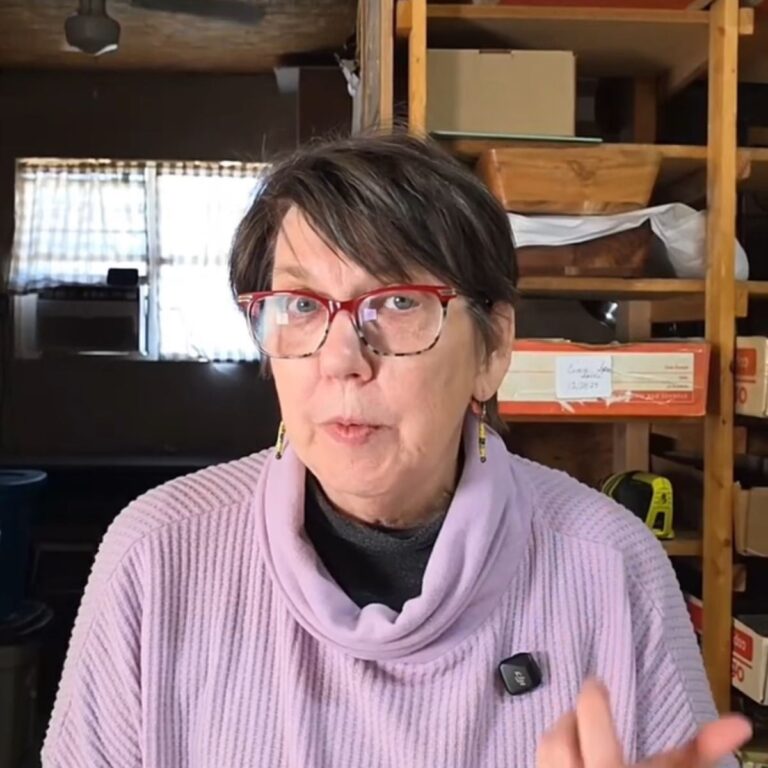
If you prefer to hear me talk about supportive skincare for aging skin in my own words, you can watch the full video here:
Why “Fix-It” Skincare Backfires on Aging Skin
In it, I share a personal story that sparked this reflection, and I walk through the mindset shift that’s helped both me and my customers over the years. It’s a relaxed, heart-to-heart chat — just like this post — that expands on the thoughts you’ll read below.
What’s Actually Going On With the Skin
Our skin — especially as we move into our 50s, 60s, and beyond — becomes more sensitive and reactive. The outermost layer, often called the skin barrier, plays a crucial role in locking in moisture and keeping irritants out. When that barrier is overwhelmed by too many products or harsh ingredients, it can become compromised.
What I’ve seen in my decades of soapmaking and working with mature, dry, and sensitive skin is that chasing after big fixes often leads to more irritation, not less. Instead of allowing the skin to settle, we end up piling on products, layering steps, and stressing ourselves out in the process.
But here’s the thing: calm skin ages more gracefully. And your skin responds best when it’s supported, not corrected.
“Trying to Look Younger” vs. “Supporting My Skin” (Video ~0:45)
When someone at a show told me I looked just the same as ten years ago, I was surprised. I’m not trying to look younger. I’m just trying to take care of my skin.
That moment really stuck with me. It reminded me that a lot of what we call “anti-aging” is actually just consistent, gentle care. No extreme regimens. No trendy miracle cures. Just listening to what your skin needs and staying ahead of problems, instead of trying to reverse them.
Calm Skin is Happy Skin (Video ~6:40)
Stress shows up on your skin. The constant search for a fix — for the right product or the next trend — keeps your nervous system on edge. And that tension affects your complexion, too.
Instead, building a calm, reliable routine that supports skincare for aging skin. This helps reduce stress, which in turn allows your skin to respond better. A gentle routine becomes its own form of self-care, and that calmness reflects back in the mirror.
What Does “Supporting Your Skin” Look Like? (Video ~9:30)

Supporting your skin means noticing what it’s telling you. If something’s irritating, stop. If a change pops up, think: is there a simple adjustment I can make?
It might mean changing how you apply your products. Or using fewer things overall. A simpler approach — with natural, nourishing ingredients — often does more for your skin than a dozen steps ever could.
Aging Is Not a Battle — It’s Stewardship (Video ~15:45)
I often say: aging isn’t something to fight. It’s something to tend. You’ve been given this skin and this body — and your role is to steward it, gently and consistently.
I didn’t really begin intentionally caring for my skin until I was almost 40. Now, at 68, I’ve found that it’s not about when you start — it’s that you do start. And from wherever you are now, you can choose a calmer path forward.
What Actually Helps: A More Supportive Approach
Here’s what I’ve seen make the biggest difference for sensitive and mature skin:
- Gentle, natural cleansing that doesn’t strip the skin
- Simplified routines that focus on consistency
- Paying attention to how your skin reacts
- Avoiding trends that promise fast fixes
- Staying calm — because your skin mirrors your inner state
You don’t need to overhaul everything. Just start where you are and listen to your skin.
Susan’s Suggestion
If your skin tends to be dry or sensitive, I often recommend two supportive product types:
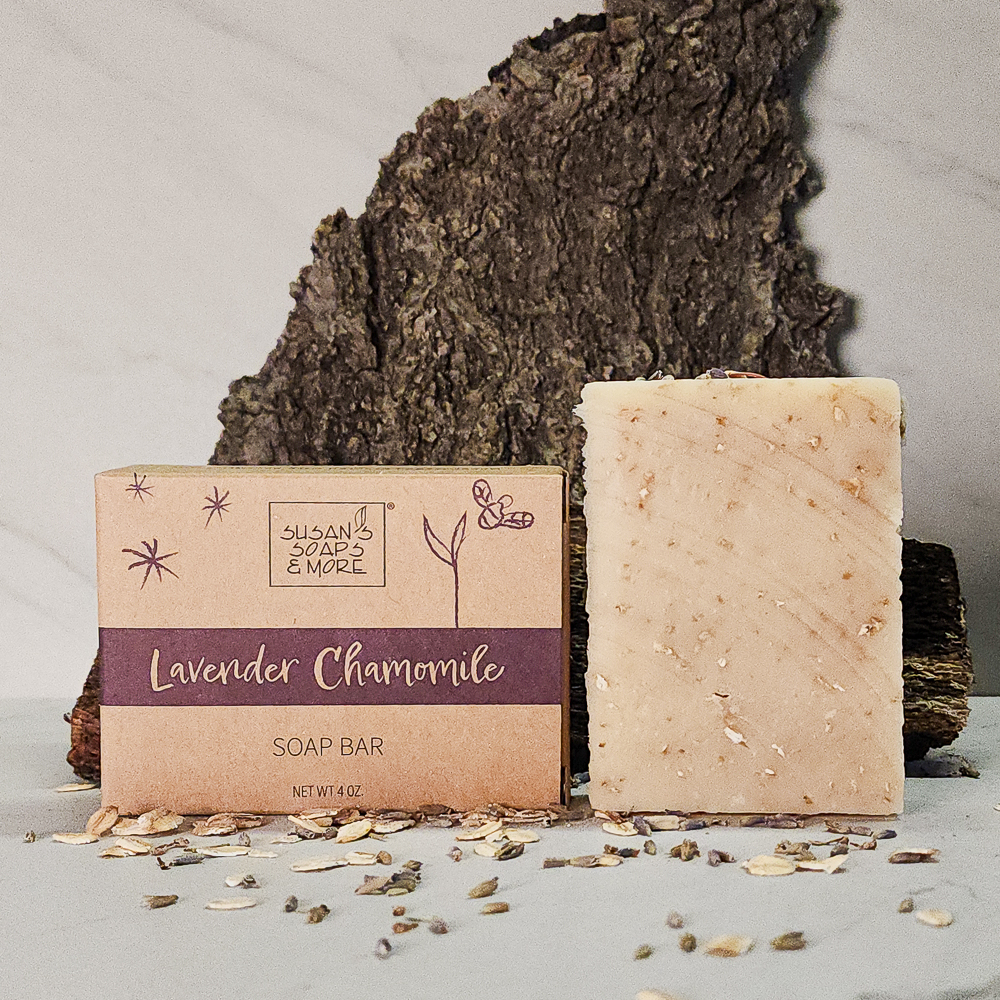
1. A mild, natural soap
Look for a soap made with nourishing oils and no synthetic fragrances. Something that gently cleanses without stripping. That’s always been at the heart of what I make.
2. A lightweight body or face oil
Oils can help seal in moisture and support the skin barrier. Apply a few drops to damp skin after washing — it helps your skin stay supple without feeling greasy.
These are the kinds of products that support your skin, not overwhelm it. Again, you want to be choosing supportive skincare for aging skin not chasing quick fixes or trends.
FAQ: Supportive Skincare for Aging Skin
Is it too late to start caring for my skin if I’m over 60?
Not at all. I didn’t begin serious skincare until I was nearly 40, and it’s never too late to start being intentional. Your skin can still respond beautifully to consistency and care.
What does “supporting your skin” mean exactly?
It means working with your skin, not against it. Paying attention, using gentle products, and avoiding anything that causes irritation. It’s a mindset shift as much as a routine one. This is the best route for skincare for aging skin.
How do I know if a product is too harsh for my skin?
If your skin feels tight, stings, flakes, or breaks out more, it might be reacting. Sometimes even “anti-aging” products can be too strong for mature skin. Less is often more.
Do I need a 10-step skincare routine?
Absolutely not. A simple, consistent routine with just a few natural products can be far more effective than a complicated one — especially for sensitive or mature skin.
Why does stress affect my skin so much?
Because your skin is deeply connected to your nervous system. Stress hormones can trigger inflammation, dryness, or breakouts. A calm routine helps both body and skin relax.
Can natural products really make a difference?
Yes — when they’re well-crafted and suited to your skin. Natural ingredients like plant oils and essential oils can nourish gently, especially when paired with a calm, consistent routine.
Want more gentle skin tips?
I’ve written more about creating a supportive routine that helps your skin feel balanced and cared for. Here are a couple of posts you may find helpful:
5 Winter Skincare Tips to Keep Your Skin Glowing
Self Care with Essential Oils: A Simple, Holistic Routine You Can Start Today!
Closing Thoughts
You don’t need to chase trends or fixes. You don’t need to feel behind. Skincare for aging skin doesn’t to be “fixed.” It needs to be heard, supported, and cared for calmly.
Watch the video if you haven’t already, and start paying attention to how your skin feels. Try simplifying. Stay consistent. And trust that a gentler path really does lead to better results — not just for your skin, but for your whole self.